


That Waiter Ruined My Perfect Life centers on a top jewelry designer whose life is thrown off balance by a waiter. Their collision ignites a fierce, volatile romance with the potential to change both of them. The attraction is also the disruption, creating a premise in which becoming close to someone could mean losing the life that once seemed secure.
This That Waiter Ruined My Perfect Life review examines the contrast between the two leads, the appeal of an unpredictable romance, and the questions raised by the title’s promise of a ruined perfect life. Based on the supplied synopsis, it evaluates the story’s premise and thematic possibilities rather than claiming firsthand knowledge of performances or filmmaking.
The strongest audience fit is viewers who enjoy romantic friction, emotional uncertainty, and relationships that challenge an established way of living. For readers exploring dramas on ShortFlix, the central appeal is a connection that promises consequences for both people, rather than attraction without disruption.
What Is That Waiter Ruined My Perfect Life About?
At the center of That Waiter Ruined My Perfect Life is a successful jewelry designer whose existing life is upended by a waiter. The description begins with disruption rather than a gradual introduction. That gives the encounter immediate significance: this person does not simply join the designer’s world but changes its direction.
The relationship that follows is described as fierce and volatile. Romance is therefore the central conflict as well as the central attraction. The premise does not establish a separate villain, a revenge scheme, or a criminal threat. Its focus is what happens when two people become involved in a connection that unsettles their lives.
The possibility of lasting change extends to both leads. That matters because the story is not presented solely as one person’s reaction to an outsider. The waiter may trigger the upheaval, but the relationship could affect them both. Their destination remains open, leaving the premise centered on consequences rather than a promised resolution.
The Designer: Success Does Not Remove Emotional Risk
A useful starting point for this That Waiter Ruined My Perfect Life review is the designer’s established professional standing. Being described as a top jewelry designer gives the character an identity before the romance begins. There is already a life to disrupt. This provides a stronger dramatic contrast than an attraction that arrives without any sense of what existed beforehand.
The profession also invites a thematic comparison between deliberate craftsmanship and unpredictable feeling. Jewelry design involves shaping something with intention; an unstable relationship resists that kind of certainty. This is a reading of the premise, not evidence of particular visual motifs or scenes. Its value is that it helps explain why this profession offers an evocative backdrop for romantic disorder.
Professional achievement should not, however, be mistaken for proof of the character’s personality. The description does not establish arrogance, loneliness, or a need to control others. The supported contrast is simpler: someone accomplished in one area of life encounters a relationship whose consequences cannot be assumed.
Why the Volatile Romance Is Both the Hook and the Risk
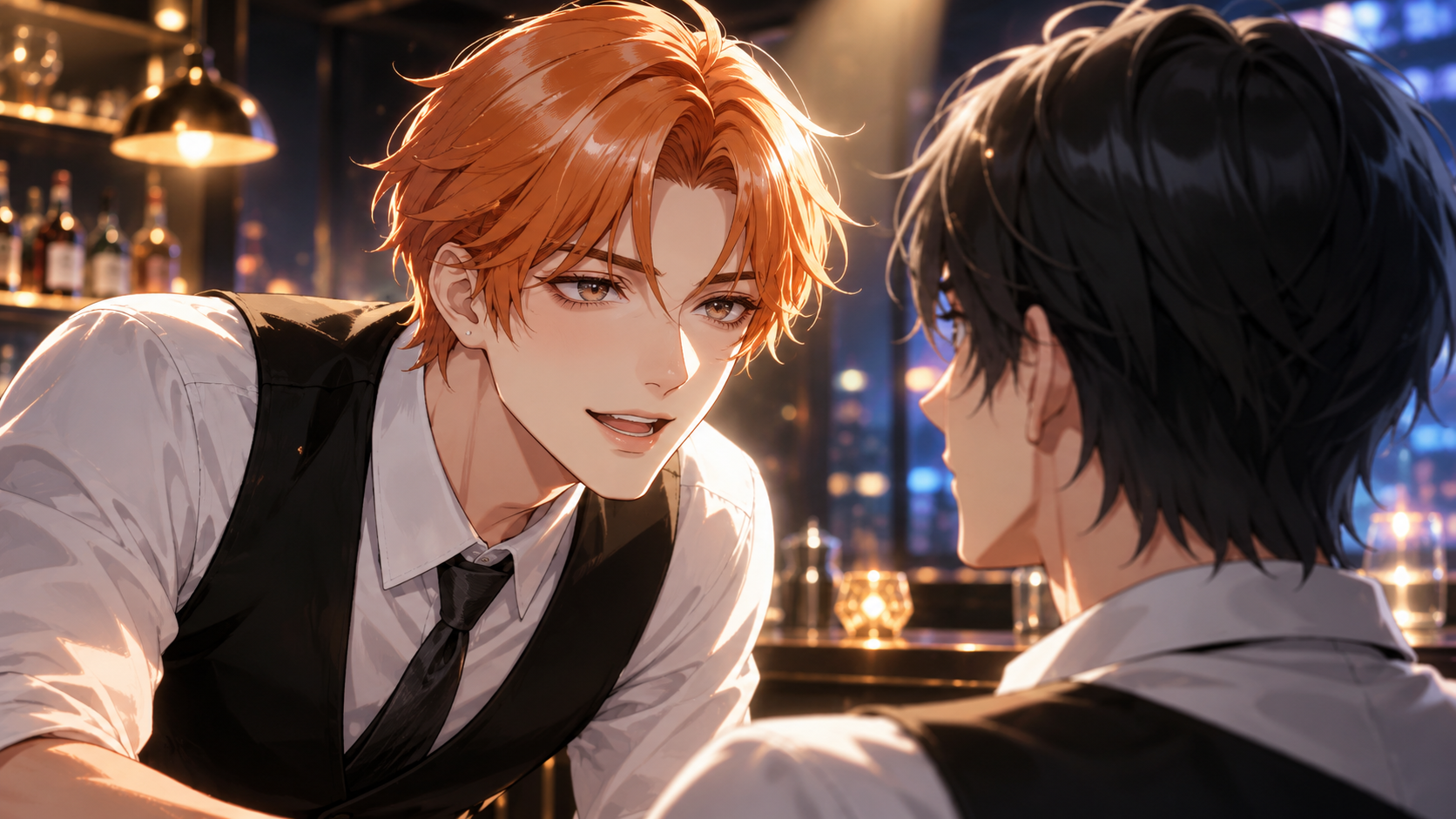
The central question in this That Waiter Ruined My Perfect Life review is whether volatility offers more than dramatic heat. An unpredictable relationship creates uncertainty about what closeness will bring. That is a useful source of romantic tension because attraction does not automatically settle the conflict. Wanting someone and being able to build a relationship with them are different questions.
At the same time, intensity cannot explain compatibility by itself. For the romance to carry emotional weight, the reasons these people matter to each other would need to be convincing. The supplied description announces a powerful connection but does not explain its foundations. It establishes the kind of emotional experience being offered without proving how fully that experience develops.
The promise that both characters could change is particularly important here. It allows for a relationship in which neither person is merely an instrument for the other’s growth. Mutual change is a richer possibility than a disruptive stranger simply teaching an accomplished person a lesson. Whether that balance is achieved remains a question, but it is built into the premise’s appeal.
What Works in the Romantic Premise
The strengths identified in this That Waiter Ruined My Perfect Life review are concentrated in a small number of clear choices. The setup does not need additional invented complications to explain its appeal:
- The protagonist has an established professional identity. The designer’s standing gives the upheaval a meaningful starting point, allowing the romance to challenge an existing life rather than fill an undefined space.
- The encounter has immediate consequences. The waiter’s arrival changes the situation, giving the relationship a direct connection to the story’s movement instead of presenting attraction as an isolated detail.
- Romance and conflict occupy the same relationship. The volatile connection supplies both emotional pull and uncertainty, so the central attraction also generates the central question.
- The potential transformation belongs to both leads. This creates room for reciprocal development rather than defining one character only through usefulness to the other.
Where the Relationship Still Needs Definition
The main reservation in this That Waiter Ruined My Perfect Life review is that the synopsis is stronger on impact than motivation. It tells us that the encounter changes the designer’s life and produces a volatile romance. It does not tell us what either character wants from the other, why the attraction persists, or what specifically makes the relationship unstable.
Those distinctions matter because similar premises can support very different emotional stories. Friction caused by incompatible priorities is not the same as friction caused by misunderstanding. Neither explanation should be assigned here without evidence. The limitation is in what can be assessed from the outline, not a verified failure of the finished film.
For the same reason, there is no sound basis for praising the leads’ chemistry, criticizing the pacing, or declaring the emotional payoff satisfying. The premise can be judged for its clarity and dramatic possibilities. Its execution requires evidence beyond the supplied description.
Is That Waiter Ruined My Perfect Life Worth Watching?
Yes, if the appeal is a romance that unsettles an established life and leaves both characters open to change. The recommendation in this That Waiter Ruined My Perfect Life review rests on the direct relationship between attraction and consequence. The setup offers an understandable emotional question without requiring a complicated background to make its central conflict clear.
Viewers who prefer gentle courtship, predictable reassurance, or a confirmed happy ending should keep expectations measured. The description emphasizes volatility and possibility, not emotional security. Its strongest promise is a relationship that changes the terms of both characters’ lives, with the nature of that change still unresolved.
For a different kind of dramatic upheaval, the Blood Rose: Crushing the Cartel review examines a story driven by family betrayal and a fight against criminal manipulation. It offers a change of genre for readers who want to move from romantic uncertainty to a survival-centered conflict.
Frequently Asked Questions
What is That Waiter Ruined My Perfect Life about?
A top jewelry designer’s life is upended when a waiter enters the picture. Their encounter sparks a fierce, volatile romance that could change both of them in lasting ways.
Is this a romance or a revenge story?
The supplied description presents it as a romance centered on emotional upheaval. It does not establish a revenge plot, despite the confrontational wording of the title.
Does the title establish the waiter as a villain?
No. The title frames the waiter as a disruptive presence, but disruption is not proof of villainy. The description does not reveal malicious intentions or explain the waiter’s reasons for entering the designer’s life.
Is a happy ending confirmed?
No ending is provided. The possibility that the romance could change both characters does not confirm that they stay together, separate, or reach a happy resolution.
Final Thoughts
The conclusion of this That Waiter Ruined My Perfect Life review is that the premise’s strongest feature is the tension between an established life and an unpredictable attachment. The designer has something that can be unsettled, while the waiter is more than a passing encounter because the romance could reshape both lives.
For viewers who enjoy emotional friction and relationships with consequences, that is a compelling foundation. The sensible expectation is romantic disruption, not a guaranteed account of healing or happiness. Its deeper success will depend on giving both characters convincing reasons to remain involved and making their potential transformation feel earned.

Clara Monroe is an experienced short film blog writer at ShortFilx, covering standout shorts, festival picks, and rising filmmakers with clear craft insights and trustworthy recommendations.