



The ending of Claimed By The Dragon delivers a fantasy romance conclusion that mixes sacrifice, destiny, and emotional rebirth into a tightly structured finale. It does not rely on a simple happy ending, but instead rebuilds meaning through loss and transformation. The story ultimately asks whether love can survive when fate is designed to destroy it.
At its core, the series shows that destiny is not only something characters follow, but something they can resist through emotional choices. Alina and Asher’s journey becomes the clearest example of how love can challenge even the most rigid curse.
Claimed By The Dragon ending explained
In the Claimed By The Dragon full episode, the final episodes reveal that the curse binding the Dragon King and his destined partner is built on a cycle of sacrifice and destruction. Every union is designed to end in loss, reinforcing the idea that fate is unavoidable.
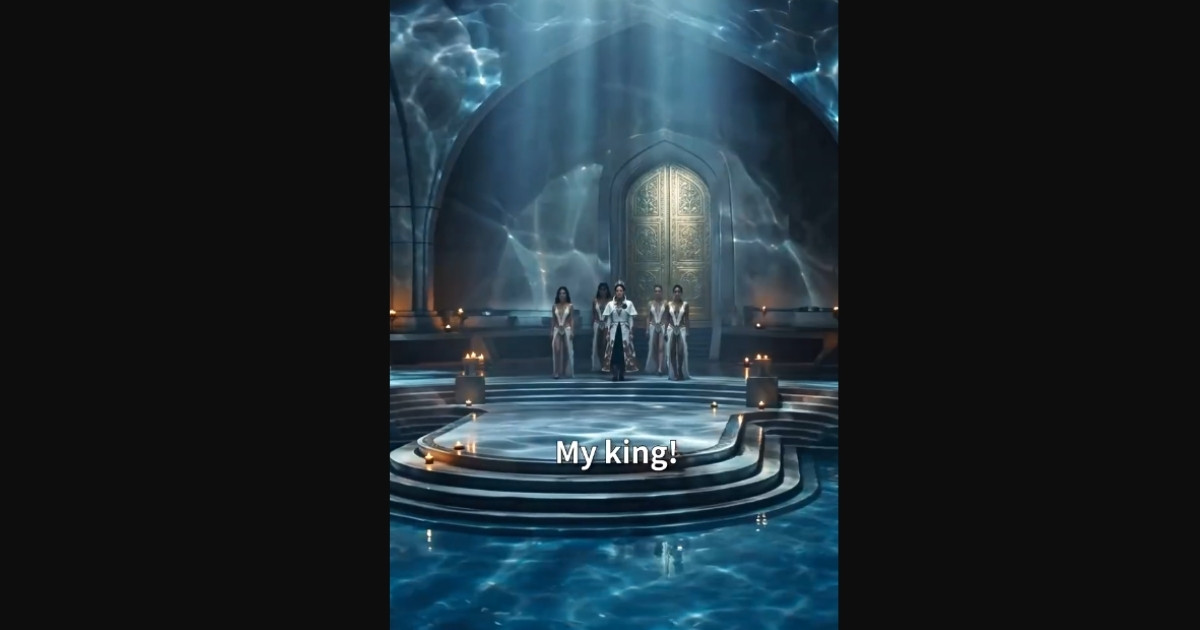
However, the ending begins to challenge this structure by showing that emotional truth can create outcomes the curse cannot predict. This is where the narrative shifts from inevitability to possibility.
Alina’s sacrifice and the breaking point of destiny
Alina’s life begins as one without control, as she is given away to the dragon realm as a sacrifice. She is treated as a tool for peace rather than a person with choice, which shapes her early fear and survival instinct.
Over time, her relationship with Asher changes her perspective on both fear and belonging. When she finally chooses sacrifice, it is not because she is forced, but because she understands the emotional weight of leaving him behind.
This decision becomes the breaking point where destiny is forced to respond to something it cannot calculate.
Asher’s curse and the burden of power
Claimed By The Dragon appears as a powerful ruler, but his strength is constantly undermined by a deeper curse. He is forced into a system where survival depends on love, but that same love leads to destruction.
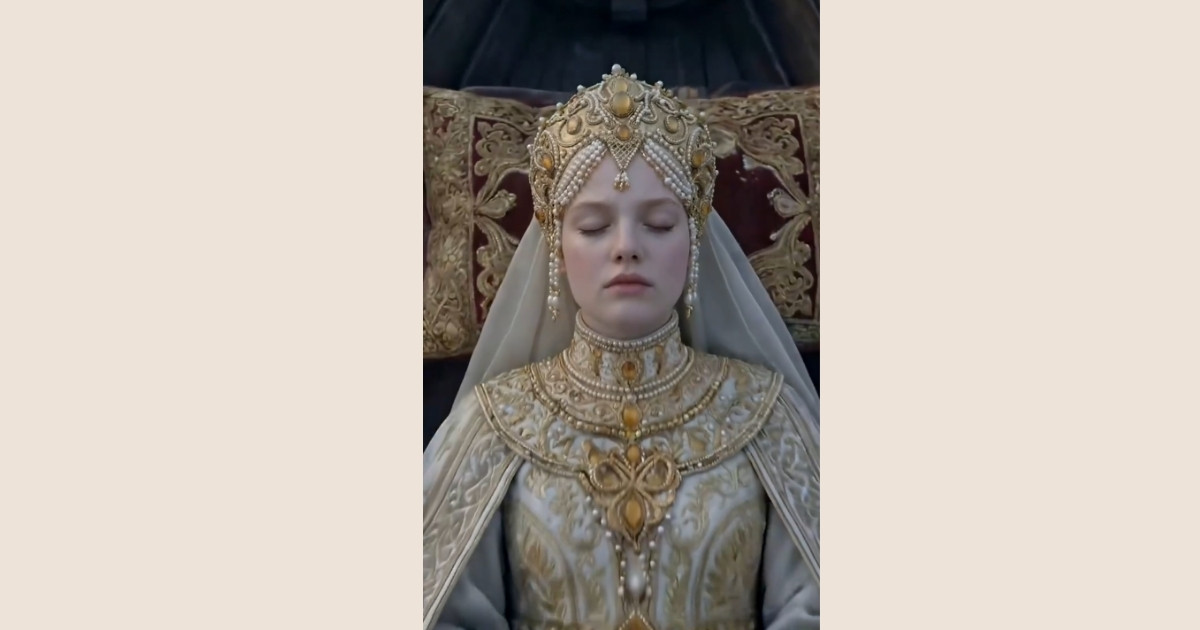
This contradiction traps him in emotional isolation, no matter how much authority he holds. His power cannot protect him from the rules that govern his existence.
As a result, Asher becomes a symbol of strength without freedom, where control over others does not equal control over fate.
Love as a force that challenges destiny
The relationship between Alina and Asher begins with fear and distance rather than romance. Both characters slowly discover that they are not enemies of each other, but victims of the same system.
Their emotional bond develops through understanding and shared vulnerability rather than destiny alone. Love becomes less about attraction and more about recognition of suffering.
As this bond deepens, it starts to conflict with the logic of the curse itself, creating tension between emotion and fate.
The climax: sacrifice that destroys the curse
The climax centers on Alina’s decision to accept death in order to save Asher from the curse. This moment is not framed as defeat, but as the highest form of emotional choice she can make.
Her sacrifice introduces a contradiction into the curse because it is not driven by fear or obligation. Instead, it is an act of unconditional love without expectation of return.
This emotional contradiction collapses the structure of the curse, showing that systems built on rigid destiny cannot survive when confronted with selfless choice.
Rebirth and the meaning of the final ending
After her apparent death, Alina returns, but her revival is not presented as a simple reversal of tragedy. It represents the collapse of the curse and the beginning of a new emotional reality.

Asher is also freed from the prophecy that once controlled his existence. For the first time, he is able to live and love without the fear that his emotions will destroy others.
This ending transforms the story from pure tragedy into rebirth, where sacrifice becomes the foundation of renewal instead of permanent loss.
Final interpretation: love, power, and fate
At its conclusion, Claimed By The Dragon presents love as something that disrupts systems rather than follows them. It shows that emotional truth can be stronger than rules designed to control destiny.
In ShortFlix storytelling style, power is shown to be incomplete when it cannot protect emotional freedom or change predetermined outcomes. Fate is portrayed as strong only until it meets a choice that refuses to obey it. In the end, love does not win through force or conflict, but through sacrifice that rewrites what fate is allowed to mean.

Clara Monroe is an experienced short film blog writer at ShortFilx, covering standout shorts, festival picks, and rising filmmakers with clear craft insights and trustworthy recommendations.